How to Identify a Healthy Brook in 10 Minutes: A Field Guide for Beginners
A healthy brook is not simply a pretty one. A stream running clear and sparkling through a manicured park can be badly out of sorts, while a scruffy little watercourse behind a housing estate can be in fine fettle. The good news is that four things — clarity, flow, the plants along the bank, and the small creatures hiding under the stones — will give you a dependable first impression in about ten minutes. What follows is a rough field guide, the sort of judgement an experienced walker makes without thinking about it. It will not replace a proper ecological survey, but it will tell you whether the brook in front of you deserves a closer look, and what to look at next.
Water Clarity and Colour
Kneel close to the water and look down, not across. Reflections hide almost everything, so find an angle where you can see the bed. A faint tea colour from peat, or a light green tint from algae, is normal. What matters is the type of murk.
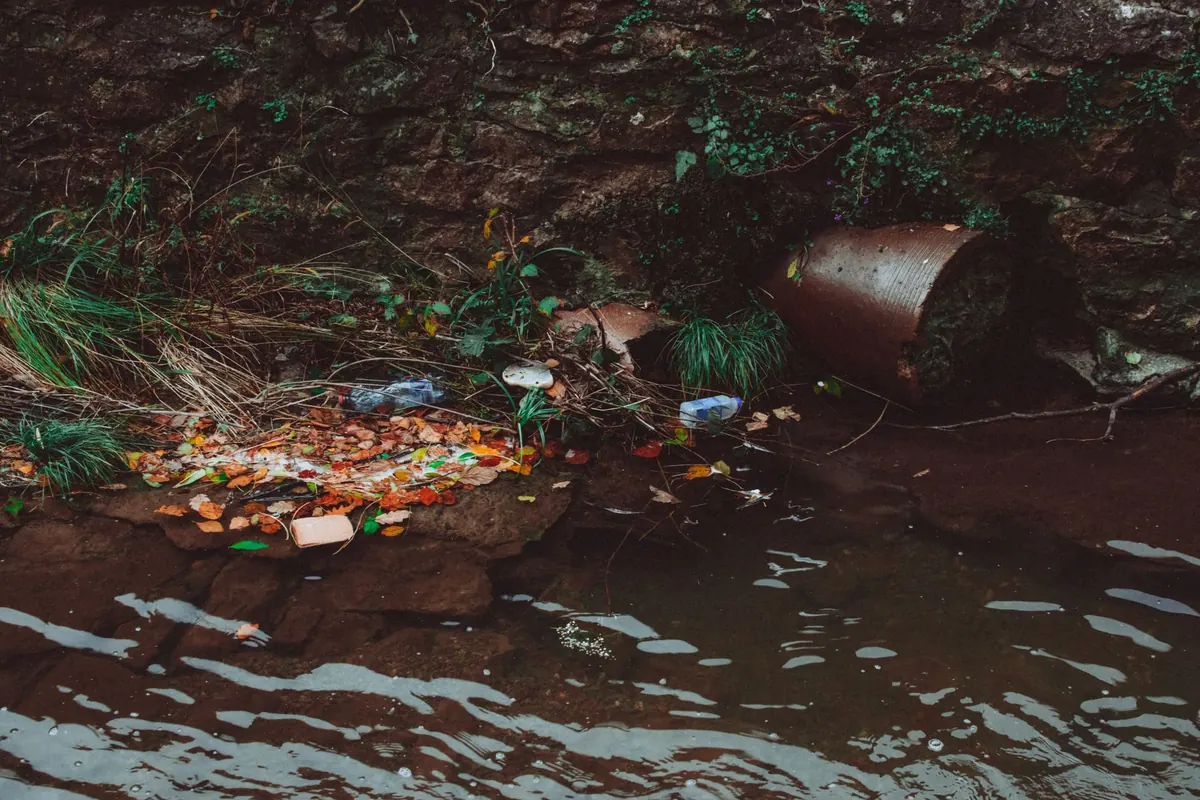
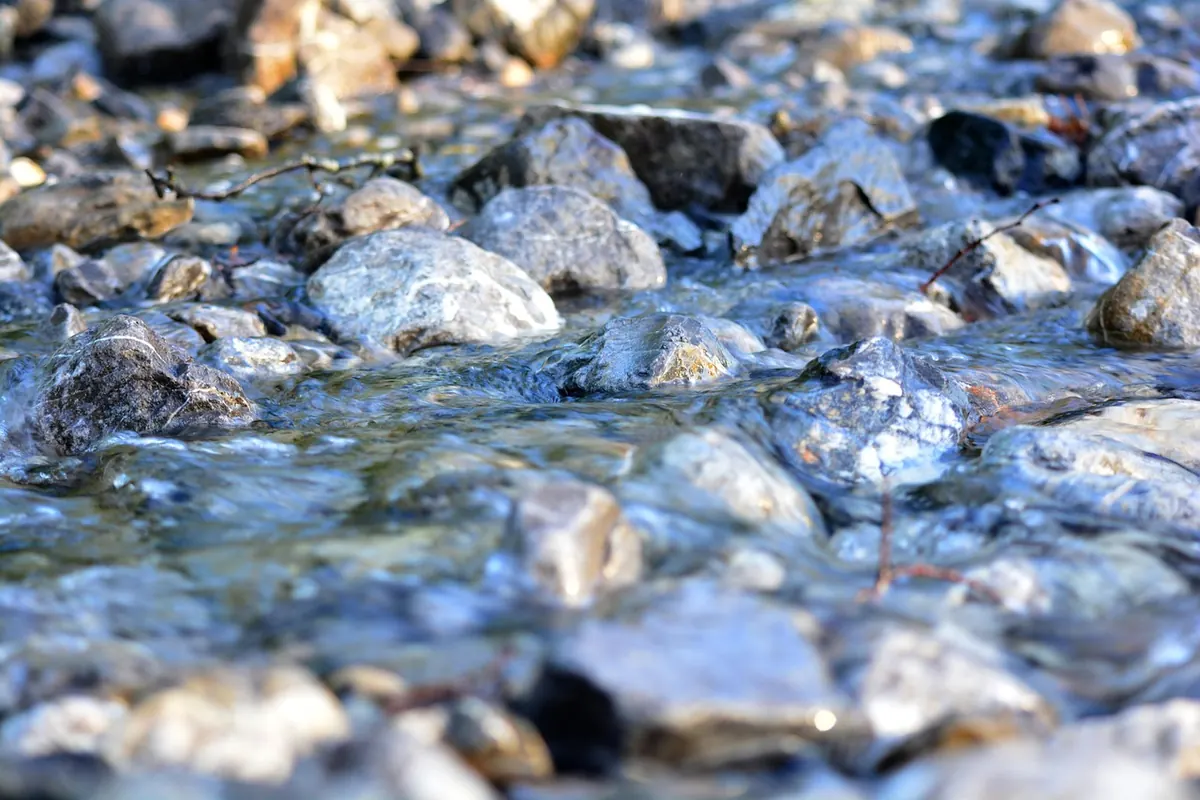
Clear water that lets you see gravel and stones several inches down is a good sign. Milky or grey water usually means fine silt or something entering upstream. Persistent brown foam below a pipe, rather than the sparse bubbles you get in a riffle, is worth noting. So are greyish-white streamers trailing from stones — often called sewage fungus, though it is a bacterial growth — and bright green blanket weed smothering the whole channel by midsummer.
Time your visit. After heavy rain every brook runs brown, and that tells you nothing useful. Go on a dry day, ideally two or three days after rain has passed through the system.
Reading the Flow
Healthy brooks are uneven. Look for a mix of shallow, broken riffles where water hurries over gravel, deeper pools, and calmer glides between them. That variety is what gives insects, fish and plants somewhere to live.
Watch for the opposite: a straight, uniform channel that runs like a canal, with no riffles for a long stretch. Check whether the gravel in a riffle is loose and clean or packed with silt — gravel should be washed by the current, and silted gravel smothers the invertebrates that need it. A stagnant smell, or a bed thick with soft black sludge, is a poor sign. In late summer, very low flow may be natural, but a brook that dries to isolated puddles every year is not functioning as it should.
Bankside Plants and Bank Shape
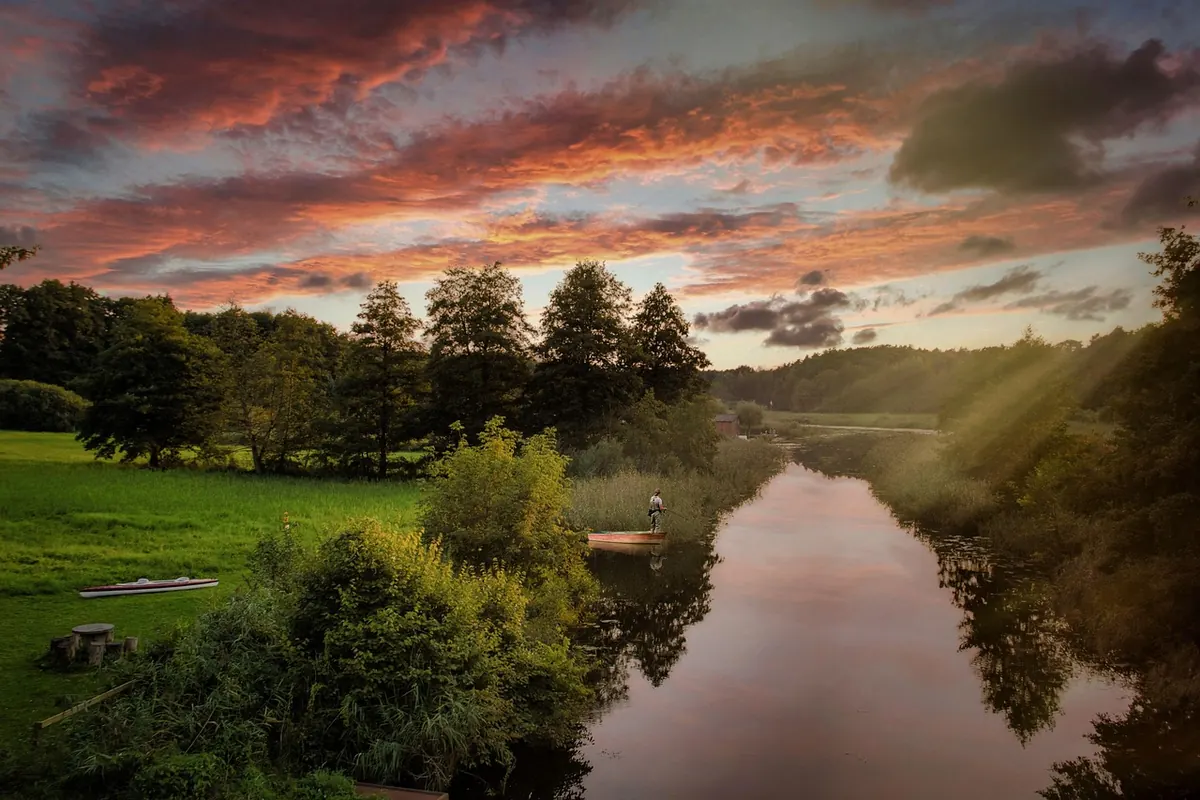
The banks tell you as much as the water. A healthy brook has plants that grow from the bank into the channel, roots holding soil in place, and dappled shade rather than full sun or permanent gloom.
What good looks like
- Alder and willow leaning over the water, with hazel, hawthorn or ash behind them
- Water crowfoot flowering white in the current, brooklime with its small blue flowers, water forget-me-not, sedges and rushes at the margins
- Banks that curve, undercut slightly and hold together, with bare soil only in small patches
Warning signs
- Long stretches of bare, poached mud where livestock walk in, or banks collapsing into the channel
- A single plant dominating everything — thick stands of Himalayan balsam in late summer, Japanese knotweed, or a nettle-and-dock monoculture with no structure
- Concrete, sheet piling or straightening that has removed the natural edge altogether
Shade deserves a word. Some is valuable: it keeps water cool and limits algae. Too much for a whole mile, though, and little can grow in the channel. Aim for patches of light and shade.
Invertebrate Clues Under Stones
This is the quickest test of all. Choose a riffle, lift three or four stones and look at the undersides, ideally over a pale tray or your open palm.
Pollution-sensitive animals are the ones to hope for: stonefly nymphs, mayfly nymphs and caddisfly larvae, whether in cases or free-living. Freshwater shrimp, small limpets on stones, and a scatter of other insects add to the picture. If most stones in a riffle turn up several caddis cases and a mayfly nymph or two, that is a real sign of health.
Tolerant animals tell a different story. Clumps of red worms in the silt, leeches, water hoglice and mosquito larvae in stagnant margins can all survive where sensitive species cannot. Finding only those suggests something is wrong, even if the water looks clean.
Handle everything gently. Lift stones towards the current and put them back as you found them. Leave crayfish and fish alone, and wash your hands afterwards, covering any cuts. If you become unwell with flu-like symptoms in the weeks after working in a brook, mention the water contact when you see a doctor, as leptospirosis is worth ruling out.
Score Your Brook in Five Minutes
Stand at one spot and work through this quickly. It is a rough score, not a survey.
- Can you see the bed in at least one spot? Yes or no.
- Is there at least one riffle within sight, with clean gravel rather than silt?
- Do the banks hold together, with plants growing into the water?
- Under three stones in a riffle, did you find any sensitive invertebrates?
- Is the water free of foam, grey streamers and smothering algae?
Four or five positives and you are looking at a brook in reasonable health. Two or fewer, and it is worth a second visit to check whether you caught it after rain or in a dry spell.
When the Signs Are Poor
Do not jump to conclusions from one visit. Seasons change a brook dramatically, and a single dry summer can make a good stream look grim. Return a few weeks later, note the date, weather and location, and take photographs from the same spot so you can compare.
If you see something clearly wrong — discoloured water, a strong smell, dead fish, or an obvious discharge from a pipe — report it to the environment regulator for your part of the UK. In England, that is the Environment Agency's incident hotline on 0800 80 60 60; Scotland, Wales and Northern Ireland have their own arrangements. A grid reference and a photo make the report far more useful. Local rivers trusts and catchment groups also want to hear about it.
Make It a Ten-Minute Habit
The real value comes from repetition. Pick one short stretch you can reach easily, and visit it once a month. Kneel in the same place, lift stones in the same riffle, and jot down a line or two: water level, colour, what was flowering, what was under the stones. Within a year you will know that brook's ordinary behaviour, which is the only reliable way to spot when something changes.
If you enjoy it, take it further. Organised riverfly monitoring schemes train volunteers to sample invertebrates properly and feed the results into conservation work — a natural next step from ten minutes on the bank, and a genuinely useful one.
Photo: Stones / Pixabay