A Monthly Brook Watcher's Checklist: What to Look For Through the Year
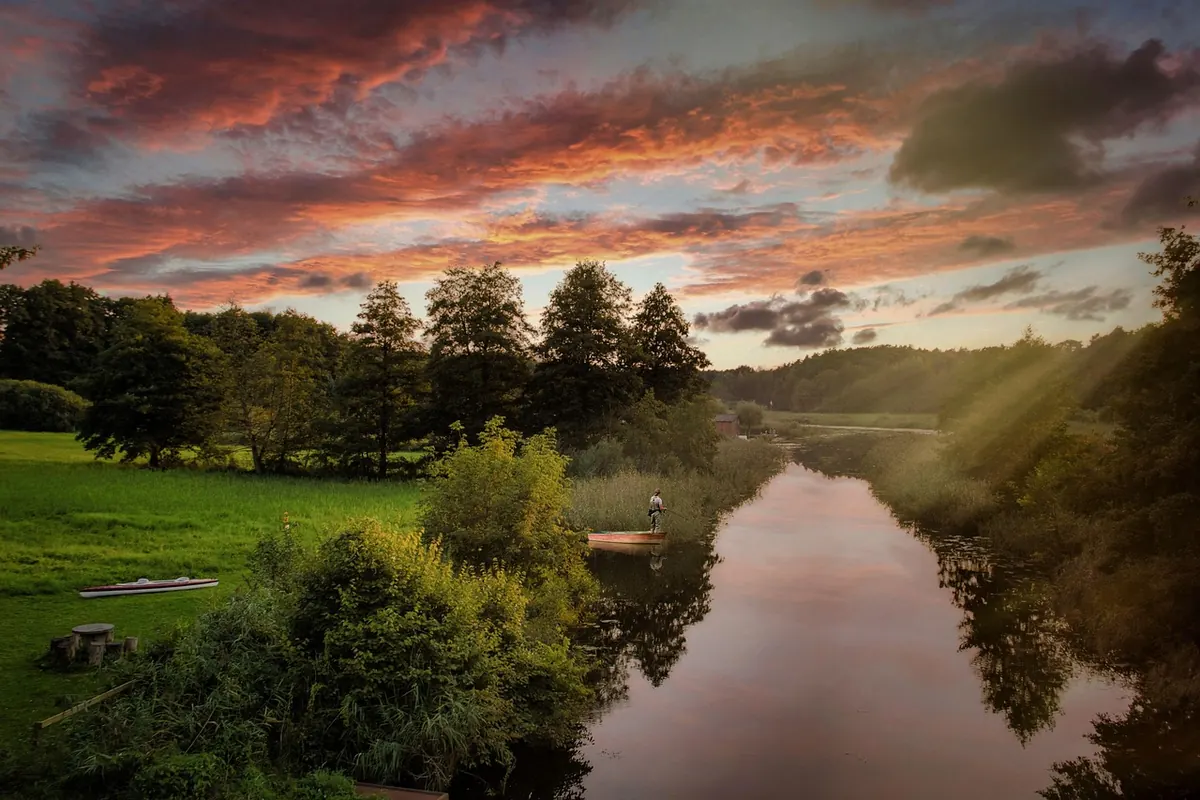
A brook in February and the same brook in July might as well be two different places. One runs cold and clear over bare gravel; the other slips under a green ceiling of leaves and long grass, alive with the hum of insects. Watching one short stretch of water across a full year teaches you more than a dozen scattered visits ever will, and the secret is simply knowing what to look for when.
What follows is a practical twelve-month checklist. It is not a survey protocol and it will not make you a freshwater biologist, but it will give your walks a purpose and build a record that becomes genuinely interesting after two or three years.
Setting Up a Year of Records
Before you look at the calendar, choose your patch. A stretch of fifty to a hundred metres is plenty — long enough to hold a pool, a riffle and a run, short enough that you learn every stone. Fix two or three landmarks in your mind: a particular boulder, a cattle gate, the point where a fallen alder reaches the water. Photograph from the same spot each time and the changes become obvious.
- A small waterproof notebook and a pencil — pens run and freeze.
- A cheap digital thermometer, for water as well as air temperature.
- A marked stick or tape measure for depth and wetted width.
- Polarised sunglasses, which cut surface glare and let you see into the water.
- Boots with grip, and a walking pole if the stones are greasy.
Record the same few things every visit: date, time, weather, water temperature, flow (low, normal or spate), clarity, and what you actually saw. Note what you did not see, too. Absences are data.
January and February: Reading the Cold Water
Winter is when the brook does its most important work. Brown trout and, on larger systems, salmon spawn in late autumn and winter, cutting redds — shallow nests in gravel at the tail of a pool or the head of a riffle. A redd looks like a patch of clean, freshly turned stones, noticeably paler than the surrounding bed. Note the position, the date and how many you can count from the bank.
Stay off the gravel. Eggs lie buried a few centimetres down, and a boot print can destroy a whole season's spawning in seconds. Keep dogs out of the channel for the same reason.
Bird activity is surprisingly easy to read now that the trees are bare. Dippers sing from midwinter and hold territory; grey wagtails bob along the margins; kingfishers sit tight on low branches. Look for otter spraints on flat stones and tracks in mud after rain. By late February, frog spawn appears in neighbouring ditches and slow side pools.
March and April: First Stirrings
The water warms slowly, and invertebrates start moving. Stonefly and caddisfly larvae appear in the shallows; if you lift a stone, put it back exactly as you found it and in the same position, dark side down. A hand lens turns a dull grey pebble into a small zoo.
Signs to log
First green shoots of brooklime and water crowfoot. Opposite-leaved golden saxifrage greening wet banks. Dippers carrying nesting material. Chiffchaffs singing from the alders, sand martins prospecting sandy banks, and the first small brown trout fry holding in the shallow edges where flow is gentle.
May and June: Peak Activity
If you can only watch your brook for two months of the year, make it these. Mayfly and caddis hatches draw fish to the surface, often in the last hour of daylight. Record the date of the first good hatch rather than the number of insects — the timing shifts from year to year with temperature and rainfall, and that pattern is the interesting part.
Bird life is at full tilt. Kingfishers dig nest burrows in soft banks and may raise two or three broods. Dippers fledge second broods, grey wagtails feed young along the shingle, and swallows and martins hunt insects low over the water. At dusk, bats work the same stretch of channel.
Plant and water notes
Water crowfoot flowers in great white mats across the surface, yellow flag iris opens on the margins, and nettles and butterbur crowd the bank. Note where trees shade the channel — shaded reaches stay cooler and hold more oxygen in the months ahead.
July and August: Low Flows and Green Cover
Levels drop, clarity improves and weed beds thicken. Fish crowd into the deeper pools and under overhanging roots. Temperature matters more than anything else now, so take a reading each visit, ideally at the same time of day.
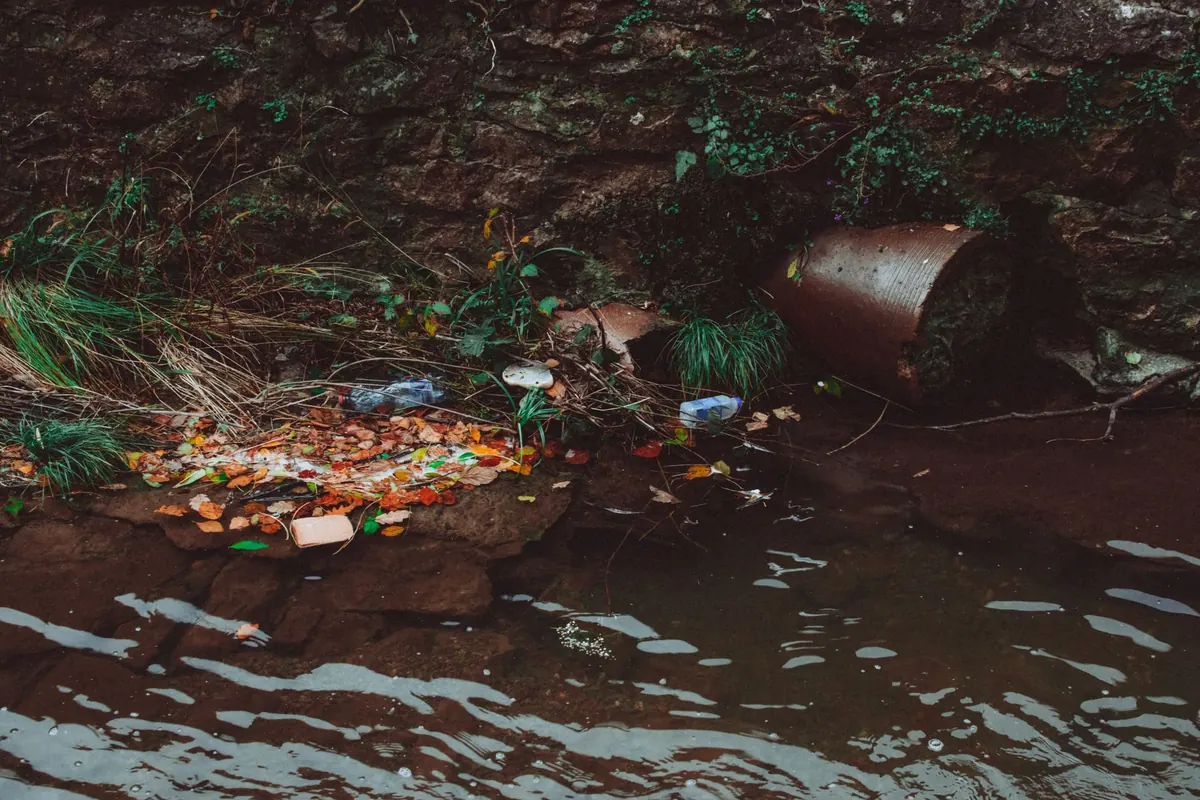
Watch for stress. If the brook breaks into isolated pools, or if you find fish gasping at the surface or a stretch running dry, report it. In England that means the Environment Agency; in Wales, Natural Resources Wales; in Scotland, SEPA. Pollution — a sudden grey or milky discolouration, a chemical smell, a run of dead invertebrates — should be reported the same day, with photographs and a grid reference.
Dragonflies and damselflies patrol the sunny reaches, whirligig beetles spin on slack water, and water striders skate across the pools.
September to December: Spawning, Leaf Fall and Storms
Autumn arrives as a delivery of leaves. Watch where they collect, how they pack against stones, and how quickly the packs break down. That material feeds the whole invertebrate community through winter.
The first serious rain raises the flow and shifts gravel. Then, from late October into December depending on where you are, adult brown trout and salmon move upstream to spawn. Walk the bank, not the water, and count redds every week or so. Note their position, their size and how the number changes after each flood.
Winter visitors arrive too: goosander and goldeneye on the slower sections, redwing and fieldfare in the hedges, dippers back on their stretches and singing again. Bare trees reveal the shape of the channel — spate lines, undercut banks, and the way a fallen branch has begun to scour a new pool.
Safety, Access and a Note on Disturbance
Get permission before you cross private land, follow the Countryside Code, and remember that access rules differ in Scotland. Check local guidance rather than assuming.
Cold water is the main risk. It shocks the body quickly, and brook beds are slippery. Wade only where you can see the bottom, use a stick for balance, never go alone, and tell someone where you are going and when you expect to be back. Cover any cuts, wash your hands before eating, and if you develop flu-like symptoms after time in river water, see a doctor and mention the exposure — leptospirosis is treatable but needs to be recognised. Take professional medical advice rather than trying to judge it yourself.
Finally, keep disturbance low. Give nesting birds and mammals room, avoid walking on spawning gravel, and clean and dry your boots between sites to avoid moving invasive plants and crayfish. Report unusual sightings to the relevant recording scheme — a year of careful notes from one small brook is a genuinely useful thing to have made.
Photo: StockSnap / Pixabay